Source FDA Squeeze Eye Drop Bottle for Medicine Packaging
Compare 30 FDA squeeze eye drop bottle options from China. View sizes from 3ml to 100ml, PE materials, and childproof caps. Request samples and wholesale quotes for medicine packaging needs; compare the available evidence and request quotations based on your requirements.
Key considerations
Products List




Comprehensive Sourcing Guide
FDA Squeeze Eye Drop Bottle Sourcing Guide
Procuring FDA-compliant squeeze eye drop bottles requires a rigorous understanding of material science, regulatory frameworks, and supply chain dynamics. Buyers must navigate a complex landscape where packaging integrity directly impacts patient safety and product efficacy. The core challenge lies in identifying suppliers who not only meet basic manufacturing standards but also demonstrate consistent adherence to strict quality control protocols. This guide provides a structured approach to evaluating potential vendors, ensuring that every procurement decision is backed by verifiable data and clear commercial terms.
The following sections detail the critical steps for sourcing these specialized containers. We will examine product scope, technical specifications, compliance documentation, cost structures, supplier qualifications, and long-term maintenance checks. By focusing on evidence-based criteria, buyers can mitigate risks associated with material defects, regulatory non-compliance, and supply chain disruptions. This disciplined approach ensures that the final packaging solution supports the intended medical application while maintaining cost efficiency and operational reliability throughout the product lifecycle.
Product Scope and Observed Listing Signals
The market for eye drop bottles encompasses a wide variety of designs, with common configurations including screw caps, childproof mechanisms, and tamper-evident seals. Observed listings frequently highlight materials such as PE and HDPE, which are selected for their chemical resistance and durability. Sizes range from small volumes like 3ml to larger capacities up to 100ml, catering to diverse pharmaceutical needs. Buyers should note that while many suppliers offer customization, the specific material grade and cap type must be verified against the intended drug formulation to prevent adverse interactions.
Color options are extensive, including black, red, blue, white, and various pastels, allowing for brand differentiation and patient identification. Some suppliers provide free samples and rapid turnaround times, which are valuable for initial testing and validation. However, buyers must distinguish between marketing claims and actual production capabilities. The presence of terms like "manufacturer price" or "factory price" suggests direct sourcing, but verification of the supplier's actual manufacturing capacity and inventory levels is essential to ensure consistent supply during peak demand periods.
Technical Specifications to Verify
Material composition is a primary technical consideration, with HDPE and PE being the most commonly cited options for eye drop packaging. These plastics offer excellent barrier properties and chemical stability, which are crucial for preserving the integrity of ophthalmic solutions. Buyers must verify the specific plastic type and ensure it aligns with the drug's compatibility requirements. Additionally, the bottle shape, often described as a drop bottle, influences dosing accuracy and user experience, making ergonomic design a key factor in selection.
Cap mechanisms vary significantly, with screw caps, childproof designs, and tamper-evident features being standard options. The sealing type must be robust enough to prevent leakage while allowing for easy, controlled dispensing. Surface handling techniques, such as screen printing, are used for labeling and branding, but buyers should assess the durability of these prints against sterilization processes and environmental exposure. Verifying the exact model numbers and standard sizes, such as 14ml or 30ml, ensures that the packaging fits existing filling lines and distribution requirements.
Compliance and Safety Documentation
Regulatory compliance is non-negotiable for eye drop bottles, given their direct contact with sensitive ocular tissues. Suppliers often cite certifications such as ISO, SGS, FDA, and COA, which indicate adherence to international quality and safety standards. Buyers must request and verify these documents to ensure that the packaging materials meet the specific regulatory requirements of their target markets. The presence of these certifications suggests a commitment to quality, but independent verification of the testing reports is recommended to confirm ongoing compliance.
Safety features, such as childproof caps and tamper-evident seals, are critical for preventing accidental ingestion and ensuring product integrity. These features must be rigorously tested to ensure they function as intended without compromising the ease of use for patients. Additionally, the recyclability and eco-friendly attributes of the packaging should be evaluated, as sustainability is increasingly important in the pharmaceutical industry. Buyers should confirm that the materials used are not only safe for the product but also environmentally responsible, aligning with broader corporate sustainability goals.
Cost Drivers and Commercial Terms
Pricing for eye drop bottles is influenced by several factors, including material costs, production volume, and customization requirements. Observed price ranges can be quite low, but buyers should be cautious of prices that seem disproportionately cheap, as they may indicate lower quality materials or compromised manufacturing processes. MOQs typically range from 1,000 to 50,000 sets, reflecting the economies of scale in plastic injection molding. Understanding these thresholds is essential for budgeting and inventory management, especially for smaller buyers or those testing new product lines.
Commercial terms such as payment methods, shipping options, and lead times also impact the total cost of ownership. Suppliers often offer transportation by sea or air, with goods typically palletized and wrapped for protection. Buyers should negotiate clear terms regarding sample availability, production lead times, and defect resolution policies. Transparent communication about these terms helps avoid hidden costs and ensures that the supply chain remains efficient and reliable. Additionally, understanding the supplier's supply ability, such as monthly production capacity, helps in planning for large-scale orders and mitigating the risk of stockouts.
Supplier Qualification and Quality Control
Supplier qualification involves a thorough assessment of the manufacturer's capabilities, including their production facilities, quality control systems, and track record. Buyers should verify the supplier's company type, ensuring they are a direct factory rather than a trading company, to gain better control over quality and pricing. Site audits, whether virtual or physical, are essential for evaluating the cleanliness of the production environment and the adherence to GMP standards. These audits provide insights into the supplier's ability to maintain consistent quality and meet regulatory requirements.
Quality control processes should include rigorous testing of material properties, dimensional accuracy, and seal integrity. Buyers should request detailed QC reports and understand the supplier's procedures for handling defects and non-conforming products. Establishing clear communication channels and regular quality reviews helps in maintaining high standards and addressing issues promptly. Additionally, suppliers should demonstrate a commitment to continuous improvement, adapting to new technologies and regulatory changes to ensure long-term reliability and compliance.
Long-Term Procurement Checks
Long-term procurement success depends on establishing a robust partnership with suppliers who can adapt to changing market demands and regulatory landscapes. Regular performance reviews, including quality metrics, delivery times, and responsiveness, are essential for maintaining a healthy supply chain. Buyers should also monitor the supplier's ability to innovate, such as introducing new materials or designs that enhance product safety and sustainability. This proactive approach helps in staying ahead of industry trends and ensuring that the packaging solution remains competitive.
Risk management strategies should include diversifying suppliers and maintaining safety stock to mitigate the impact of supply chain disruptions. Buyers should also stay informed about regulatory changes and ensure that their suppliers are compliant with the latest standards. Building a strong relationship with suppliers, based on mutual trust and transparency, facilitates better collaboration and problem-solving. By focusing on these long-term checks, buyers can ensure a stable, reliable, and cost-effective supply of eye drop bottles that meet the highest standards of quality and safety.
FAQs
What certifications do the eye drop bottles have?
The bottles hold ISO, SGS, FDA, and COA certifications. These credentials verify that the PE and HDPE materials meet international safety standards for pharmaceutical packaging. This ensures the containers are suitable for storing liquid medicines and eye drops without compromising product integrity or safety during transport and storage.
Can I get free samples before placing an order?
Yes, free samples are provided to potential buyers. The sample time is typically within one day, allowing for quick evaluation of the bottle quality and functionality. This service helps buyers assess the material durability, cap sealing, and printing options before committing to a larger bulk purchase order.
What sizes are available for these eye drop bottles?
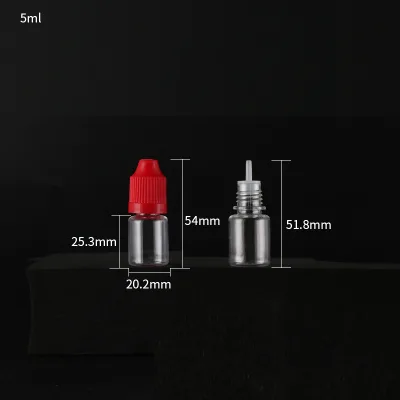
Available sizes include 3ml, 5ml, 10ml, 15ml, 20ml, 30ml, 50ml, and 100ml. Specific models like MD-878 and WK-544110 support various standard volumes. This range allows buyers to select the precise capacity needed for different pharmaceutical formulations, ensuring optimal packaging for both small and large volume eye drop products.
What is the minimum order quantity for these bottles?
The minimum order quantity ranges from 1000 pieces to 50000 sets depending on the specific configuration. Standard MOQs are often set at 1000 pieces or 30000 sets. Buyers should confirm the exact MOQ with the manufacturer to ensure the order aligns with production capabilities and pricing tiers for their specific volume requirements.
Are custom colors and printing options available?
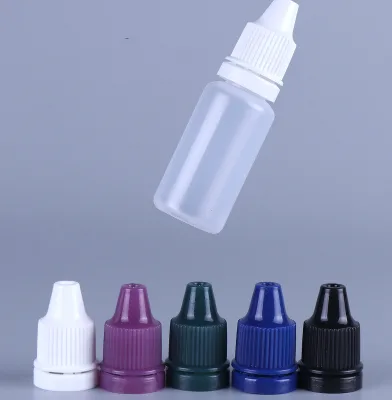
Customization is accepted with options for black, red, blue, white, purple, mint, orange, pink, and yellow colors. Screen printing is available for branding. Buyers can request customized designs to match their brand identity, ensuring the packaging stands out in the market while maintaining the required tamper-evident and childproof safety features.
How are the bottles packaged for shipping?
The bottles are packaged in cartons and placed on pallets for secure transport. The packaging details specify carton packing to protect the items during transit. This method ensures the bottles arrive in good condition, ready for immediate use or further distribution, while facilitating efficient loading and unloading at the destination port.